Commercial Electrical Services in Brevard County FL
Reliable electrical solutions for your business.
- Licensed & insured commercial electricians
- Same-day & emergency service available
- Upfront pricing – satisfaction guaranteed
Commercial Electrical Services in Brevard County
Reliable electrical solutions for your business.
- Licensed & insured commercial electricians
- Same-day & emergency service available
- Upfront pricing – satisfaction guaranteed
- 27+ Years of Experience:Serving Brevard County since 1995 with a track record of safe, professional work.
- Licensed & Insured: Fully licensed and insured electricians meeting all Florida electrical codes.
- Fast Response Times: Same-day and emergency service to minimize business downtime.
- Upfront, Honest Pricing: No hidden fees – you’ll know the cost before we start.
Commercial Electrical Services
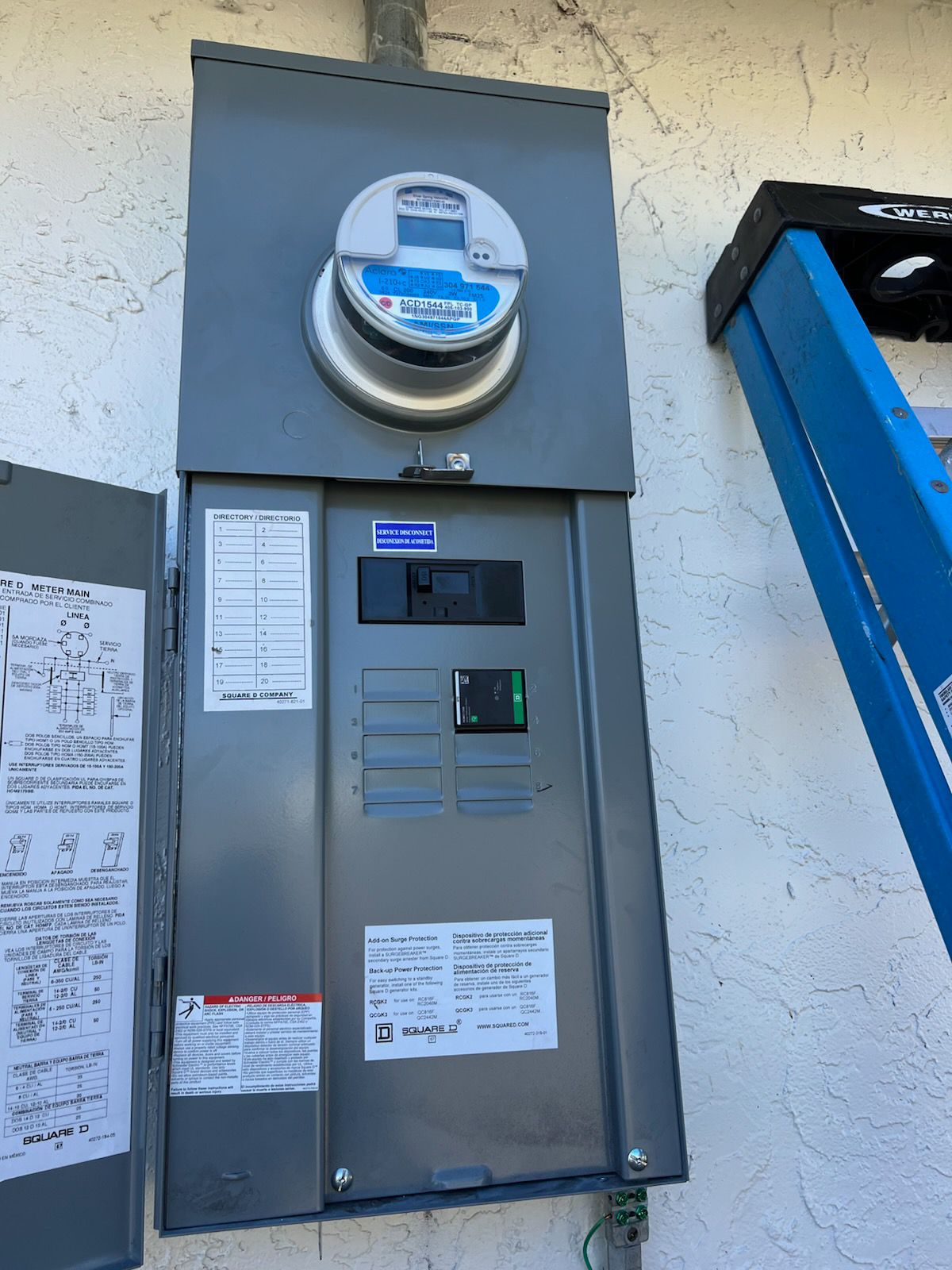
Meter Change Out and repair
Our licensed electricians handle meter change-outs and repairs with precision and compliance. We ensure accurate readings and safe connections to prevent service interruptions. Stay connected with dependable meter service you can count on.
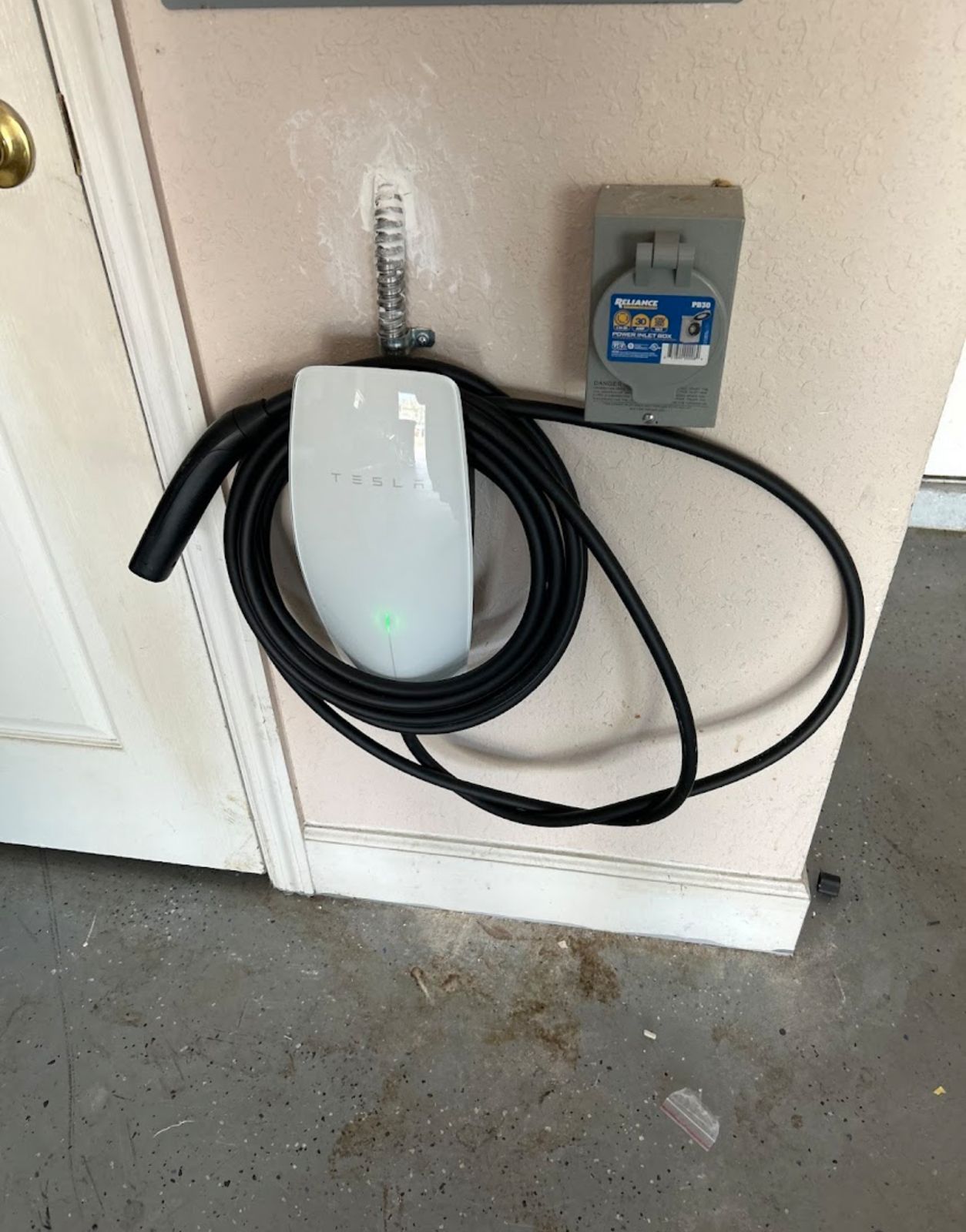
Pre-Wire Tesla Wall Chargers and Foreign Vehicles
Power up your electric vehicle with our expert pre-wiring services for Tesla chargers and other foreign models. We ensure your setup is compliant, efficient, and ready for fast, reliable charging. Enjoy convenience and peace of mind from day one.
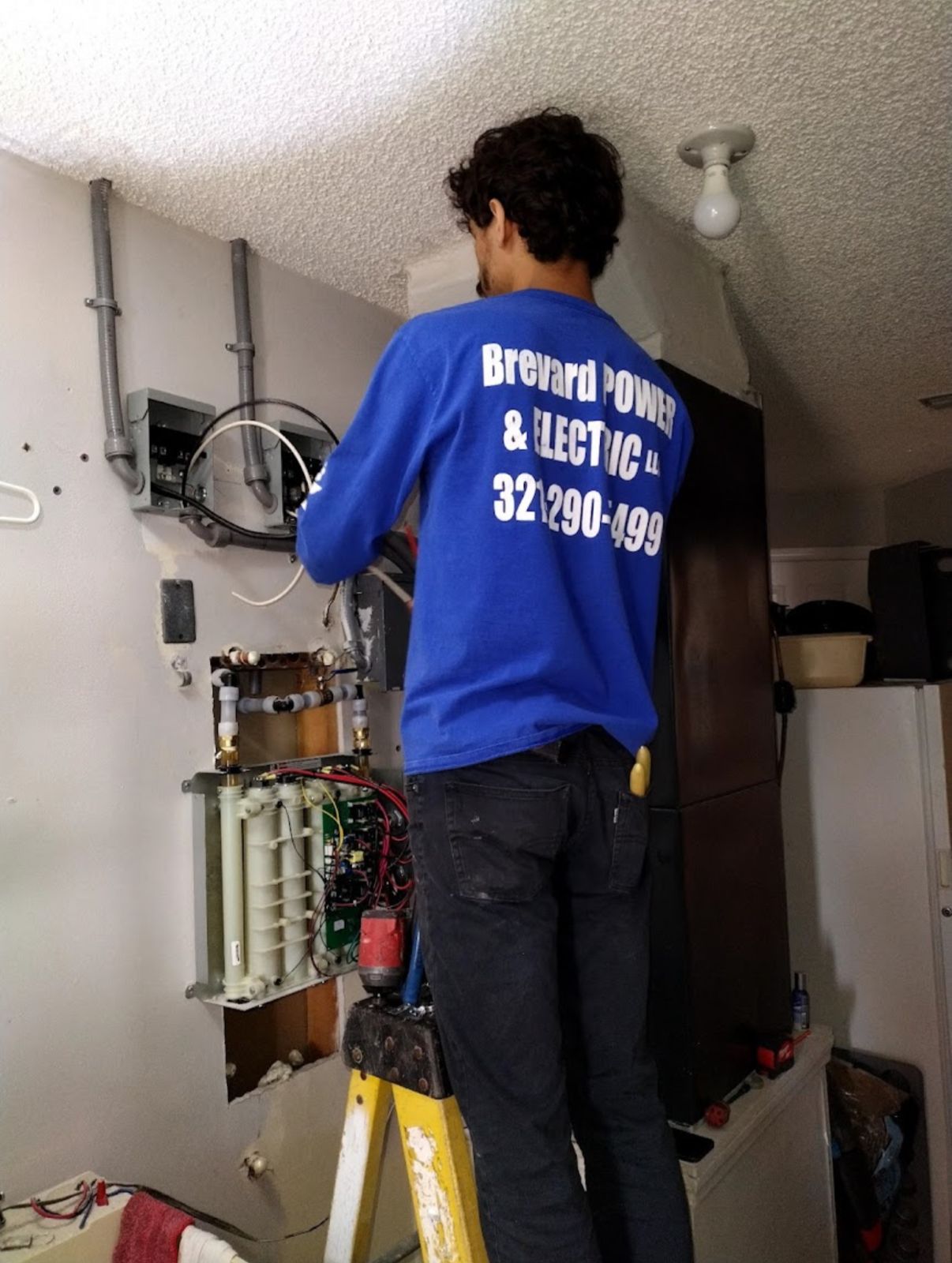
Install Generator Manual Transfer Switch
Stay prepared during outages with a manual transfer switch professionally installed by our team. This device allows you to safely power your home or business using a generator. We make sure your system is ready when you need it most.
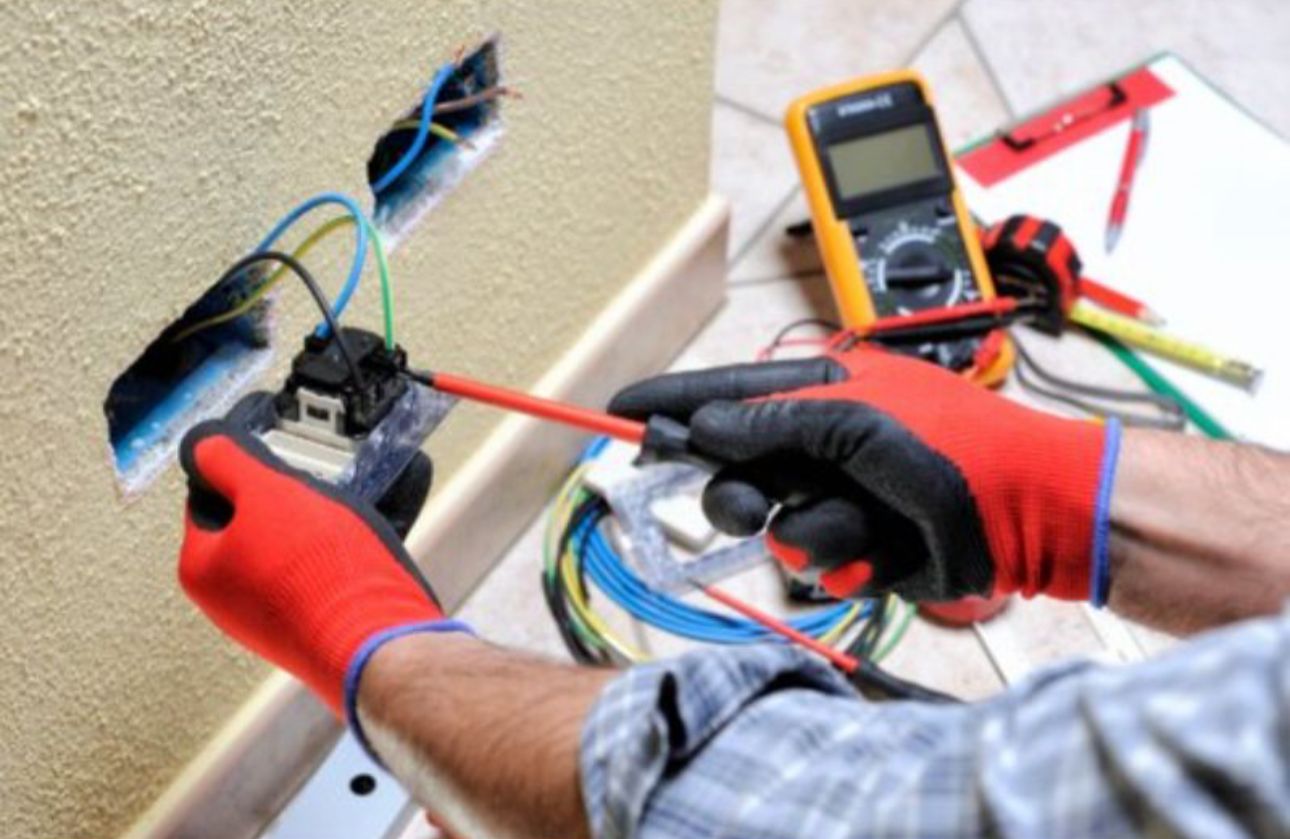
Install Outlets and Switches
We install and replace outlets and switches to meet your everyday needs and match modern code requirements. Whether you’re upgrading for convenience or adding new functionality, we’ve got you covered. Enjoy seamless performance and a professional finish.
Meter Change Out and repair
Our licensed electricians handle meter change-outs and repairs with precision and compliance. We ensure accurate readings and safe connections to prevent service interruptions. Stay connected with dependable meter service you can count on.
Pre-Wire Tesla Wall Chargers and Foreign Vehicles
Power up your electric vehicle with our expert pre-wiring services for Tesla chargers and other foreign models. We ensure your setup is compliant, efficient, and ready for fast, reliable charging. Enjoy convenience and peace of mind from day one.
Install Generator Manual Transfer Switch
Stay prepared during outages with a manual transfer switch professionally installed by our team. This device allows you to safely power your home or business using a generator. We make sure your system is ready when you need it most.
Install Outlets and Switches
We install and replace outlets and switches to meet your everyday needs and match modern code requirements. Whether you’re upgrading for convenience or adding new functionality, we’ve got you covered. Enjoy seamless performance and a professional finish.
See Our Work: Real Results for Brevard Homeowners
Why Did My Breaker Trip and Won’t Reset?
As an electrician with over 25 years of field experience, I can tell you that when a breaker trips and won’t reset, it usually means the electrical system is trying to protect itself from a potentially dangerous condition. Circuit breakers are safety devices designed to shut off power when something is wrong in the circuit.
If the breaker will not reset, it’s often because the problem that caused it to trip is still present.
Here are the most common reasons I see in homes and small businesses.
- There Is a Short Circuit
One of the most common reasons a breaker won’t reset is a short circuit.
A short circuit happens when a hot wire touches a neutral wire or ground wire. This creates a sudden surge of electrical current. The breaker trips immediately to prevent overheating or fire.
Signs of a short circuit may include:
- The breaker trips immediately when you try to reset it
- Burning smells near outlets or switches
- Visible damage to wiring or outlets
Short circuits can also cause your lights to flicker repeatedly before the breaker finally trips, which is often one of the early warning signs homeowners notice. If you're experiencing unstable lighting in your home, it may indicate a deeper electrical issue within the circuit.
Short circuits should always be inspected by a licensed electrician, because they can be dangerous if left unresolved.
- The Circuit Is Overloaded
Another common reason for a breaker that won’t reset is an overloaded circuit.
Every circuit in your home is designed to carry a limited amount of electrical current. If too many devices are running on the same circuit, the breaker will trip to prevent overheating.
For example, if you have several high-power appliances on the same circuit, such as:
- Microwaves
- Space heaters
- Hair dryers
- Air conditioners
the breaker may trip repeatedly and refuse to reset until the load is reduced.
Try unplugging devices on that circuit and then resetting the breaker.
- A Ground Fault Has Occurred
A ground fault occurs when electricity escapes the circuit and travels through an unintended path, such as metal or water.
This is why circuits in bathrooms, kitchens, garages, and outdoor areas often use GFCI protection.
Ground faults can occur due to:
- Damaged appliances
- Moisture in outlets
- Faulty wiring
If a ground fault exists, the breaker will continue tripping until the issue is fixed.
- The Circuit Breaker Itself Is Bad
Circuit breakers do wear out over time.
After years of use, the internal mechanism can fail, which may prevent the breaker from resetting properly.
Signs of a faulty breaker include:
- Breaker feels loose in the panel
- Breaker trips without any load
- Breaker will not stay in the ON position
In this case, the breaker likely needs replacement by a professional electrician.
- There Is a Problem in the Electrical Panel
Sometimes the issue isn’t the circuit itself but the electrical panel.
Loose wiring connections inside the panel, damaged bus bars, or overheating breakers can all prevent a breaker from resetting.
Because electrical panels contain high-voltage components, homeowners should never attempt repairs inside the panel unless they are trained to do so.
When You Should Call an Electrician
If a breaker trips once due to overload, resetting it may solve the problem. However, you should contact a licensed electrician if:
- The breaker will not reset
- It trips immediately after resetting
- You smell burning near the panel
- Lights flicker when the breaker trips
- The breaker panel is buzzing or warm
These signs may indicate a more serious electrical issue that requires professional electrical repair.
For homeowners in Melbourne, Palm Bay, and across Brevard County, our team can typically perform a safety diagnostic the same day. Learn more about our https://brevardpowerandelectric.com/residential/ or our https://brevardpowerandelectric.com/commercial/ if the issue is affecting a business property.
A professional electrical inspection can identify the root cause and ensure your electrical system is operating safely.
Final Advice from an Electrician
Circuit breakers are designed to protect your home from electrical fires and damage. When one trips and refuses to reset, it is doing its job by warning you that something isn’t right.
The safest approach is to identify the cause before restoring power to the circuit. If you’re unsure what caused the breaker to trip, it’s best to have a licensed electrician inspect the circuit and panel to ensure your electrical system is operating safely.
Ignoring a breaker that keeps tripping can eventually lead to overheating wires, damaged appliances, or even electrical fires. Addressing the problem early helps keep your electrical system running safely and reliably for years to come.
Why Is My Electrical Switch, Outlet, or Panel Hot?
If you touch a light switch, electrical outlet, or even your electrical panel and notice that it feels warm or hot, it’s something you should never ignore. As an electrician with over 25 years of field experience working in homes and businesses across Brevard County, Palm Bay, and Melbourne, I can tell you that heat in electrical components is almost always a warning sign.
Electrical systems are designed to safely carry electricity through wires, outlets, switches, and circuit breakers. When one of these components starts to feel hot, it usually means electricity is not flowing the way it should.
In many cases the issue may be minor, but in other situations it can signal dangerous conditions such as overloaded circuits, loose wiring, or failing electrical components. Understanding why electrical components get hot can help homeowners recognize problems early and prevent serious electrical hazards.
Why Electrical Components Should Normally Stay Cool
Electricity naturally creates a small amount of heat when it moves through wires. This is called electrical resistance. However, properly installed wiring and electrical devices are designed to handle that heat safely.
Under normal conditions:
- Outlets should feel room temperature
- Light switches should feel cool or slightly warm
- Electrical panels should not feel hot to the touch
If any electrical component becomes noticeably warm or hot, it usually means there is excessive electrical resistance somewhere in the system.
This is why unusual heat from electrical components should always be investigated.
Common Reasons Electrical Switches or Outlets Become Hot
Several electrical problems can cause switches or outlets to heat up.
- Overloaded Circuits
One of the most common causes of warm outlets or switches is circuit overload.
Every electrical circuit in your home is designed to handle a specific electrical load. When too many devices draw power from the same circuit, the wiring may begin to heat up.
Common appliances that place heavy loads on circuits include:
- Space heaters
- Hair dryers
- Microwaves
- Portable air conditioners
- Power tools
When these appliances operate on the same circuit as lighting or outlets, the electrical load can increase significantly.
Overloaded circuits may also cause:
- Flickering lights
- Breakers that trip frequently
- Warm outlets or switches
Reducing the load on the circuit may solve the problem temporarily, but repeated overheating should be inspected by a licensed electrician.
- Loose Wiring Connections
Loose electrical connections are another major cause of overheating electrical devices.
Inside outlets and switches, wires are secured using screw terminals or connectors. Over time, vibrations, temperature changes, and electrical load cycles can cause those connections to loosen slightly.
When electricity flows through a loose connection, it creates electrical resistance and arcing, which generates heat.
Signs of loose wiring include:
- Warm outlets or switches
- Flickering lights
- Buzzing sounds from outlets or walls
- Burning smells near electrical devices
Loose wiring is one of the most dangerous electrical problems because it can lead to electrical arcing, which increases fire risk.
- Faulty Electrical Devices
Outlets and switches are mechanical devices that eventually wear out.
Older outlets may have weakened internal contacts that cannot hold plugs securely. When plugs sit loosely in an outlet, the electrical connection may become unstable and generate heat.
Common warning signs include:
- Plugs falling out of outlets
- Discolored or darkened outlet plates
- Intermittent power from the outlet
- Warm outlet covers
Replacing worn outlets and switches is a simple electrical repair but should always be done carefully to ensure proper wiring and grounding.
- Electrical Panel Overheating
If your electrical panel feels hot, the situation may be more serious.
Electrical panels distribute power to every circuit in your building. If breakers, wiring connections, or bus bars inside the panel begin to fail, the panel may produce heat.
Panel overheating can occur due to:
- Loose breaker connections
- Failing circuit breakers
- Overloaded electrical panels
- Corroded wiring connections
In some cases, you may also hear buzzing or humming sounds from the panel, which may indicate electrical arcing or vibration.
Panels that feel hot should always be inspected by a professional electrician.
- High Electrical Demand in Older Homes
Many homes built 20–30 years ago were not designed for today’s electrical demands.
Modern homes often run multiple high-power appliances simultaneously, including:
- HVAC systems
- Electric ovens
- Home offices
- Electric vehicle chargers
- Large televisions and electronics
If the electrical system has not been upgraded, the wiring and panels may struggle to handle.
Safety Risks of Hot Electrical Components
Heat is one of the biggest warning signs of potential electrical hazards.
Electrical systems that overheat can lead to:
- Electrical fires
- Damaged wiring inside walls
- Power outages
- Damage to appliances and electronics
Addressing overheating electrical components early can prevent these risks.
When to Call an Electrician
Homeowners should never ignore electrical components that feel hot.
You should contact a licensed electrician if:
- Outlets or switches feel hot to touch
- The electrical panel feels warm or produces buzzing sounds
- Lights flicker when appliances turn on
- Circuit breakers trip frequently
- You smell burning near outlets or switches
These symptoms often indicate deeper electrical problems that require professional diagnosis.
For homeowners in Palm Bay, Melbourne, and across Brevard County, our team can often perform a same-day electrical safety diagnostic. Learn more about our https://brevardpowerandelectric.com/residential/ for homes or our https://brevardpowerandelectric.com/commercial/ for business properties.
A professional electrical inspection can identify overheating circuits and ensure the system operates safely.
Preventing Electrical Overheating Problems
Regular maintenance and safe electrical practices can help prevent overheating electrical devices.
Here are several steps homeowners can take.
Avoid Overloading Circuits
Spread appliances across multiple circuits whenever possible.
Replace Old Electrical Devices
Outdated outlets and switches should be replaced to maintain safe electrical connections.
Upgrade Electrical Panels When Necessary
Older panels may not be able to handle modern electrical loads.
Schedule Electrical Inspections
Routine electrical inspections can identify loose wiring or failing breakers before they become dangerous.
FAQ: Hot Electrical Outlets and Switches
Is it normal for a light switch to feel warm?
A slightly warm switch may be normal if it controls high-wattage lighting. However, switches that feel hot should be inspected.
Why is my outlet hot even when nothing is plugged in?
This may indicate loose wiring, a failing outlet, or a problem within the circuit.
Is a hot electrical panel dangerous?
Yes. Panels should never feel hot to touch. Heat may indicate overloaded circuits or failing breakers.
Should I stop using an outlet if it feels hot?
Yes. Stop using the outlet and contact a licensed electrician to inspect the circuit.
Final Advice from an Electrician
If you ever notice an outlet, switch, or electrical panel becoming hot, it’s important to treat it as a warning sign from your electrical system.
While some issues may be minor, overheating electrical components can indicate loose wiring, overloaded circuits, or failing electrical equipment.
The safest approach is to have a licensed electrician inspect the system and identify the cause before the problem becomes more serious.
Electrical systems are designed to protect your home and business, but they must be properly maintained to continue operating safely. Addressing electrical heat issues early can prevent costly repairs and help keep your property safe for years to come.
How Do I Know If My Electrical Panel Needs Upgrading?
Your electrical panel is the heart of your home’s electrical system. It distributes electricity from the utility company to every circuit in your house, powering outlets, lights, appliances, and equipment. When the panel is working properly, electricity flows safely and efficiently throughout the property.
However, as an electrician with more than 25 years of field experience working in homes and businesses across Brevard County, Palm Bay, and Melbourne, I’ve seen many situations where an outdated or overloaded electrical panel becomes a serious safety concern.
Many homes built 20–40 years ago were not designed for today’s electrical demands. Modern households use far more electricity than older systems were built to handle. As a result, upgrading the electrical panel is often necessary to maintain safety and reliable power.
Knowing the warning signs of an outdated panel can help homeowners address the problem before it leads to electrical hazards or expensive repairs.
What Does an Electrical Panel Do?
Your electrical panel, sometimes called the breaker box, is responsible for distributing electricity throughout the building.
Inside the panel are circuit breakers that protect each circuit from excessive electrical current. If a circuit becomes overloaded or experiences a fault, the breaker automatically shuts off power to prevent overheating or fire.
A properly functioning panel ensures that electricity is safely distributed across all circuits in your home or business.
When a panel becomes outdated or overloaded, it may struggle to keep up with the electrical demands placed on it.
Common Signs Your Electrical Panel May Need an Upgrade
There are several warning signs that indicate your electrical panel may no longer be adequate for your property.
- Breakers Trip Frequently
Frequent breaker trips are one of the most common indicators of an overloaded panel.
Circuit breakers are designed to shut off power when too much electricity flows through a circuit. Occasional breaker trips may occur if a large appliance draws more power than expected.
However, if breakers trip regularly, it may mean the electrical system cannot handle the demand.
Common causes include:
- Too many appliances on one circuit
- Insufficient panel capacity
- Aging electrical components
Repeated breaker trips should always be inspected by a licensed electrician.
- Flickering or Dimming Lights
Lights that flicker or dim when appliances turn on may indicate that the electrical panel is struggling to supply sufficient power.
For example, homeowners often notice lights dimming when large appliances such as air conditioners or refrigerators start running.
This happens because the electrical system temporarily draws more power than the circuit can comfortably handle.
Persistent flickering lights may indicate that the panel is overloaded or that circuits need to be redistributed.
- The Panel Feels Warm or Makes Noise
Electrical panels should not produce significant heat or noise.
If your panel feels warm or you hear buzzing, humming, or crackling sounds, it may indicate:
- Loose wiring connections
- Overloaded breakers
- Failing electrical components
Heat and electrical noise are warning signs that should never be ignored.
- You Still Have a Fuse Box
Older homes may still have fuse boxes instead of circuit breakers.
Fuse boxes were common decades ago but are no longer considered adequate for modern electrical systems. They typically provide limited capacity and lack the safety features of modern breaker panels.
If your home still uses fuses, upgrading to a modern breaker panel is strongly recommended.
- Your Home Has Added New Electrical Loads
Modern homes require significantly more electricity than older homes.
If your home has added new electrical equipment such as:
- Electric vehicle chargers
- HVAC upgrades
- Home office equipment
- Large kitchen appliances
- Hot tubs or pool equipment
your existing electrical panel may no longer be able to handle the increased demand.
Upgrading the panel can ensure the system can safely distribute electricity throughout the property.
- Your Panel Is More Than 25–30 Years Old
Electrical panels have a lifespan. Many panels installed decades ago were not designed for modern electrical loads.
Older panels may experience:
- breaker failure
- poor electrical connections
- overheating under heavy load
If your panel is more than 25–30 years old, it may be worth having a licensed electrician evaluate whether an upgrade is necessary.
Safety Risks of an Outdated Electrical Panel
An outdated electrical panel can create serious safety risks.
Potential hazards include:
- Electrical fires
- Overheating circuits
- Appliance damage
- Unreliable electrical service
Upgrading the electrical panel can significantly reduce these risks and improve overall electrical safety.
When to Call an Electrician
If you notice any of the warning signs above, it’s best to have a professional electrician inspect the panel.
You should schedule an inspection if:
- breakers trip frequently
- lights flicker throughout the home
- the panel feels warm or makes buzzing sounds
- the home has a fuse box
- new electrical equipment has been added to the property
For homeowners in Melbourne, Palm Bay, and across Brevard County, our team can often perform a same-day electrical safety inspection. Learn more about our https://brevardpowerandelectric.com/residential/ for homeowners or our https://brevardpowerandelectric.com/commercial/ for business properties.
A licensed electrician can evaluate your panel capacity, inspect the wiring, and determine whether an upgrade is necessary.
Preventing Electrical System Problems
Maintaining a safe electrical system requires proper planning and regular inspection.
Homeowners can help prevent electrical problems by:
- avoiding overloaded circuits
- scheduling periodic electrical inspections
- upgrading outdated electrical panels
- installing surge protection
- distributing appliances across multiple circuits
These steps help ensure your electrical system continues to operate safely and efficiently.
Final Advice from an Electrician
Your electrical panel is one of the most important components of your home’s electrical system. If it becomes outdated or overloaded, it can create safety risks and power reliability issues.
Recognizing the warning signs early such as frequent breaker trips, flickering lights, or overheating panels can help prevent serious electrical problems.
If you suspect your panel may need upgrading, the safest step is to have a licensed electrician perform a professional electrical inspection. Upgrading the panel when necessary, ensures your electrical system can handle modern power demands while keeping your home and family safe.
Do I Need to Upgrade My Electrical Panel for a Pool or Pool Heater?
Installing a swimming pool or pool heater is a great way to improve your home and enjoy Florida’s warm climate year-round. However, many homeowners don’t realize that adding a pool system can place significant electrical demand on their home’s electrical panel.
As an electrician with more than 25 years of field experience working throughout Brevard County, Palm Bay, and Melbourne, one of the most common questions I hear from homeowners planning a pool installation is:
“Will my current electrical panel be able to handle it?”
The answer depends on several factors, including the age of your electrical system, the size of your panel, and the type of pool equipment being installed.
In many cases, adding a pool heater, pump, lighting, and filtration equipment requires additional electrical capacity, and sometimes that means upgrading the electrical panel.
Why Pools Require Significant Electrical Power
Modern swimming pools use several electrical components to operate safely and efficiently.
These typically include:
- Pool pumps
- Pool heaters
- Pool lighting systems
- Pool automation systems
- Saltwater chlorinators
- Pool covers or water features
While each component may not seem large on its own, together they can place a substantial load on your electrical system.
For example, electric pool heaters can draw 30–60 amps or more, depending on the size of the system. When combined with the electrical load already used in your home, this may exceed the capacity of an older electrical panel.
This is why electricians always evaluate the panel before installing new pool equipment.
Understanding Electrical Panel Capacity
Electrical panels are rated based on the amount of electrical current they can safely distribute throughout the home.
Common residential panel sizes include:
- 100 amp panels – common in older homes
- 150 amp panels – moderate electrical capacity
- 200 amp panels – modern standard for most homes
Many older homes in Florida were originally built with 100 amp service, which may not be enough to support modern electrical demands plus a pool heater.
If the panel does not have enough capacity, adding pool equipment can overload the system and cause:
- frequent breaker trips
- dimming or flickering lights
- overheating circuits
This is why electricians often recommend panel upgrades before pool installations.
Signs Your Electrical Panel May Need an Upgrade for a Pool
Not every home needs a panel upgrade, but certain warning signs suggest the system may not be ready for additional electrical load.
- Your Panel Is Already Full
Many homeowners open their electrical panel and notice there are no empty breaker spaces available.
Pool equipment typically requires several dedicated circuits, including breakers for:
- the pool pump
- the pool heater
- pool lighting
- safety equipment such as GFCI protection
If the panel is already full, an upgrade may be necessary to safely add these circuits.
- Your Breakers Already Trip Frequently
If your breakers already trip occasionally, it may indicate the panel is operating near its electrical capacity.
Adding additional equipment such as a pool heater could push the system beyond safe limits.
Frequent breaker trips are often a sign that the electrical system needs evaluation.
- Your Home Has a 100 Amp Panel
While 100-amp panels were common in older homes, they often struggle to handle modern electrical loads.
Homes today commonly run:
- HVAC systems
- electric ovens
- home offices
- large televisions
- electric vehicle chargers
Adding a pool heater on top of these demands can overload a smaller panel.
Many electricians recommend upgrading to a 200 amp panel when installing new high-load equipment.
- Your Panel Is More Than 25–30 Years Old
Electrical panels do not last forever.
Older panels may have worn breakers, outdated components, or limited capacity.
If your panel is several decades old, upgrading it during pool installation may improve both safety and reliability.
- Your Pool Heater Requires High Electrical Load
Electric pool heaters require a significant amount of power to operate.
Depending on the model, a heater may require:
- 30 amps
- 40 amps
- 50 amps or more
This load must be supported by both the circuit breaker and the overall panel capacity.
A licensed electrician will perform a load calculation to determine whether the existing panel can safely support the new equipment.
Electrical Safety Requirements for Pools
Pools are one of the most strictly regulated areas of residential electrical systems.
This is because water and electricity together create serious safety risks.
Pool electrical systems require several important safety components, including:
- GFCI protection
- bonding and grounding systems
- dedicated circuits
- properly rated breakers
Proper electrical installation is critical to ensure the pool system operates safely.
Safety Risks of Overloading an Electrical Panel
Attempting to run pool equipment on an electrical panel that cannot handle the load can create serious hazards.
Potential risks include:
- overheating wiring
- frequent breaker trips
- equipment damage
This is why electrical capacity should always be evaluated before installing new pool equipment.
When to Call an Electrician
If you are planning to install a pool or pool heater, it’s important to have your electrical system inspected first.
You should contact a licensed electrician if:
- You are installing a new pool heater
- Your panel has no available breaker space
- Your breakers trip frequently
- Your panel is more than 25 years old
- Your home has a 100 amp electrical service
For homeowners in Melbourne, Palm Bay, and across Brevard County, our team can often perform a same-day electrical safety evaluation.
Learn more about our https://brevardpowerandelectric.com/residential/ for homeowners or our https://brevardpowerandelectric.com/commercial/ for business properties.
A licensed electrician can determine whether your current panel can support the pool equipment or if a panel upgrade is recommended.
Preventing Electrical Problems with Pool Installations
Planning ahead during a pool installation can help prevent electrical issues later.
Homeowners can reduce risk by:
- scheduling an electrical load calculation
- installing dedicated circuits for pool equipment
- upgrading older electrical panels
- ensuring proper grounding and bonding systems
Taking these steps helps ensure your pool system operates safely and reliably.
Final Advice from an Electrician
Installing a pool or pool heater can significantly increase the electrical demand on your home. While some homes already have panels capable of handling the additional load, others may require an upgrade to ensure the system remains safe.
The best way to know for sure is to have a licensed electrician evaluate your electrical panel and perform a proper load calculation.
Upgrading the panel when necessary, can improve electrical safety, prevent circuit overloads, and ensure your pool equipment operates properly for years to come.
Why Do My Parking Lot Pole Lights Not Work?
Parking lot lighting plays a critical role in keeping commercial properties safe and visible at night. Whether you operate a retail center, office building, warehouse, or apartment complex, properly functioning pole lights help protect customers, employees, and visitors.
As an electrician with over 25 years of field experience working on commercial electrical systems throughout Brevard County, Palm Bay, and Melbourne, I’ve seen many situations where parking lot lights suddenly stop working or operate inconsistently.
When pole lights fail, it’s usually a sign of an electrical issue somewhere in the lighting system. In some cases, the fix may be simple, but in other situations it may involve wiring problems, damaged fixtures, or electrical panel issues.
Understanding the most common causes can help property owners determine when professional electrical repair is necessary.
How Parking Lot Lighting Systems Work
Most commercial parking lot lights operate using a system of electrical components that work together to provide consistent outdoor lighting.
Typical parking lot lighting systems include:
- Pole-mounted light fixtures
- Underground electrical wiring
- Circuit breakers or electrical panels
- Photocells or timers that control when lights turn on and off
- Contactors or lighting control panels
When any one of these components fails, the entire lighting system or part of it may stop working.
Common Reasons Parking Lot Pole Lights Stop Working
Several issues can cause parking lot lighting systems to malfunction.
- Burned-Out Light Bulbs or LED Drivers
One of the most common causes of parking lot lights not working is simply burned-out bulbs or failed LED drivers.
Older pole lights often use high-intensity discharge (HID) lamps such as:
- Metal Halide
- High-pressure sodium
These bulbs typically last several years but eventually burn out.
Newer LED parking lot lights use LED drivers, which regulate electrical current. When an LED driver fails, the fixture may stop working even though the LEDs themselves are still functional.
Regular lighting inspections help identify failing fixtures before they completely stop working.
- Faulty Photocells or Timers
Parking lot lights are often controlled by photocells that detect daylight and automatically turn the lights on at night.
If the photocell fails, it may prevent the lights from turning on when darkness falls.
Common photocell problems include:
- Sensor failure
- Dirt or debris blocking the sensor
- Incorrect installation or wiring
Timers used in some commercial lighting systems may also malfunction or lose their programming, preventing lights from turning on properly.
- Tripped Circuit Breakers
Parking lot lighting systems are protected by circuit breakers located in electrical panels.
If a breaker trips due to an overload, short circuit, or wiring fault, power to the lighting system may shut off entirely.
Common causes of breaker trips include:
- Damaged underground wiring
- Water intrusion in fixtures
- Electrical surges
If breakers continue to trip, it usually indicates a deeper electrical issue that requires professional inspection.
- Underground Wiring Damage
Most parking lot lighting systems rely on underground electrical wiring that runs from the electrical panel to each pole light.
Over time, underground wiring may become damaged due to:
- landscaping work
- construction activity
- water intrusion
- natural ground shifting
When underground wiring becomes damaged, power may stop reaching certain poles or entire sections of the parking lot.
Diagnosing underground wiring problems typically requires specialized electrical testing equipment.
- Corrosion Inside Pole Bases
Moisture can enter pole bases over time, causing corrosion to electrical connections inside the base of the light pole.
Corroded connections can interrupt electrical flow and prevent the light fixture from operating.
This is especially common in outdoor lighting systems exposed to rain, humidity, and temperature changes.
Routine inspections of pole bases can help identify corrosion before lighting failures occur.
- Electrical Panel or Contactor Problems
Some commercial properties use lighting control panels or contactors to manage multiple parking lot lights.
If the contactor fails, the lighting system may stop functioning entirely.
In some cases the problem may originate from the building’s electrical panel, where circuit breakers or wiring connections may become loose or damaged.
Because electrical panels contain high-voltage components, they should always be inspected by a licensed electrician.
Safety Risks of Non-Working Parking Lot Lights
Parking lot lighting failures can create several safety and security concerns for property owners.
Poor lighting may increase the risk of:
- accidents or trips in dark areas
- vehicle collisions
- vandalism or theft
- security concerns for employees and customers
Proper lighting is an important part of commercial property safety and visibility.
Maintaining proper lighting helps ensure both safety and energy efficiency.
When to Call an Electrician
While replacing a bulb may be a simple fix, many parking lot lighting problems require professional electrical troubleshooting.
You should contact a licensed electrician if:
- multiple parking lot lights stop working
- breakers controlling the lights trip repeatedly
- lights flicker or turn on and off randomly
- underground wiring may be damaged
- lighting systems fail to turn on automatically at night
For businesses in Palm Bay, Melbourne, and throughout Brevard County, our team can often perform a same-day lighting system inspection.
Learn more about our https://brevardpowerandelectric.com/residential/ for parking lot lighting repairs or our https://brevardpowerandelectric.com/commercial/ for homeowners experiencing outdoor lighting problems.
A licensed electrician can inspect the entire lighting system, identify the source of the problem, and restore safe operation.
Preventing Parking Lot Lighting Problems
Routine maintenance can help prevent many common parking lot lighting issues.
Property owners can improve lighting reliability by:
- scheduling regular lighting inspections
- replacing aging fixtures before they fail
- upgrading older HID lights to modern LED fixtures
- checking pole bases for corrosion
- inspecting underground wiring during property maintenance
These preventive steps help ensure parking lot lighting systems remain reliable and safe.
Final Advice from an Electrician
Parking lot pole lights are essential for the safety, visibility, and security of any commercial property. When these lights stop working, the problem is often related to electrical components within the lighting system.
While some issues may be as simple as a burned-out bulb, others may involve underground wiring, photocell failures, or electrical panel problems.
If your parking lot lights stop working or begin operating inconsistently, the safest solution is to have a licensed electrician inspect the system and perform the necessary repairs.
Addressing lighting issues early helps keep your property well lit, safe, and professionally maintained for employees and visitors alike.
Why Do My Parking Lot Pole Lights Not Turn Off?
Parking lot lighting is essential for safety, visibility, and security on commercial properties. These lights are designed to automatically turn on at night and shut off during daylight hours. However, sometimes property owners notice that their parking lot pole lights stay on all day and never turn off.
As an electrician with over 25 years of experience working on commercial electrical systems throughout Brevard County, Palm Bay, and Melbourne, this is a problem I see fairly often.
When parking lot lights refuse to turn off, the issue is usually related to the lighting control system, which may include photocells, timers, electrical contractors, or wiring problems.
While the lights may still be working, leaving them on continuously can increase energy costs, reduce fixture lifespan, and indicate an underlying electrical issue.
Understanding the most common causes can help determine when professional electrical repair is necessary.
How Parking Lot Lighting Control Systems Work
Most parking lot lighting systems operate automatically using sensors that detect daylight levels.
The most common control devices include:
- Photocells (light sensors)
- Timers
- Lighting control panels
- Contactors or relays
These components tell the lights when to turn on at night and off during daylight hours.
When one of these control devices fails or becomes damaged, the lighting system may remain on continuously.
Common Reasons Parking Lot Lights Do Not Turn Off
Several electrical issues can cause pole lights to remain on during the day.
- Faulty Photocell Sensor
The most common cause of parking lot lights staying on is a failed photocell sensor.
A photocell detects daylight and signals the lighting system to turn off when the sun rises. If the photocell fails, it may continuously send a signal that tells the lights it is still dark outside.
Common photocell issues include:
- sensor failure due to age
- dirt or debris blocking the sensor
- incorrect wiring or installation
- water intrusion into the sensor housing
Replacing the photocell often resolves the problem quickly.
- Photocell Is Covered or Installed Incorrectly
Sometimes the photocell is functioning properly, but it is covered or blocked.
If the sensor is shaded by:
- tree branches
- building structures
- signage
- debris or dirt
the photocell may believe it is always nighttime.
In these cases, simply cleaning or repositioning the photocell may restore proper operation.
- Timer Programming Issues
Some commercial lighting systems use timers instead of photocells.
If a timer loses its programming due to power loss or malfunction, the lighting schedule may become incorrect. This can cause lights to stay on continuously or operate at the wrong times.
Timer systems may require reprogramming or replacement if they begin malfunctioning.
- Failed Lighting Contactor
Large parking lot lighting systems often use electrical contractors to control multiple fixtures at once.
A contactor works like a large electrical switch controlled by a timer or photocell.
If the contactor becomes stuck in the closed position, power will continue flowing to the lights, preventing them from turning off.
Contactors can wear out overtime and may need replacement.
- Wiring Problems
Electrical wiring issues can also cause lighting systems to remain on.
Common wiring problems include:
- short circuits in control wiring
- damaged underground cables
- incorrect wiring connections
- loose electrical terminals
These problems may cause the control system to fail or bypass the lighting controls entirely.
Electrical wiring problems should always be inspected by a licensed electrician.
- Outdated Lighting Systems
Older parking lot lighting systems often rely on outdated controls that become unreliable over time.
Modern LED lighting systems often include:
- smart lighting controls
- programmable sensors
- energy-efficient drivers
Upgrading outdated lighting systems can improve both energy efficiency and reliability.
Upgrading older systems can also eliminate many common lighting control problems.
Safety and Cost Concerns When Lights Stay On
While parking lot lights that stay on may not seem dangerous, they can create several problems for property owners.
These include:
- increased electricity costs
- reduced fixture lifespan
- overheating electrical components
- unnecessary wear on lighting equipment
Parking lot lights are designed to operate only during nighttime hours. When they run continuously, maintenance costs and energy consumption can increase significantly.
Addressing lighting control issues early helps maintain both safety and efficiency.
When to Call an Electrician
While cleaning a photocell or checking for obstructions may solve the problem, many lighting control issues require professional electrical troubleshooting.
You should contact a licensed electrician if:
- parking lot lights remain on during the day
- multiple poles stay on continuously
- lighting controls appear damaged
- timers lose programming repeatedly
- electrical panels controlling lighting show signs of failure
For businesses in Palm Bay, Melbourne, and throughout Brevard County, our team can often perform a same-day lighting system inspection.
Learn more about our https://brevardpowerandelectric.com/commercial/ for parking lot lighting repairs or our https://brevardpowerandelectric.com/residential/ if outdoor lighting systems around your home are experiencing similar issues.
A licensed electrician can inspect the lighting control system, diagnose the cause, and restore proper operation.
Preventing Parking Lot Lighting Control Problems
Regular maintenance can help prevent many lighting control failures.
Property owners can improve system reliability by:
- inspecting photocells periodically
- cleaning sensors to remove dirt and debris
- upgrading outdated lighting systems
- replacing worn timers and contactors
- scheduling routine electrical inspections
These steps help ensure parking lot lighting systems continue to operate automatically and efficiently.
Final Advice from an Electrician
Parking lot lights that do not turn off are usually caused by a problem in the lighting control system, such as a faulty photocell, timer malfunction, or electrical wiring issue.
While the lights may still function, leaving them on continuously wastes energy and can shorten the lifespan of the lighting equipment.
If your parking lot lights stay on during daylight hours, the best approach is to have a licensed electrician inspect the lighting system and identify the cause.
Professional electrical troubleshooting ensures the system operates safely, efficiently, and reliably for your business or property.
Why Do My Lights Flicker When the A/C Turns On?
If you’ve ever noticed your lights briefly dim or flicker when the air conditioner starts, you’re not alone. This is one of the most common electrical questions homeowners ask, especially here in Florida where air conditioning systems run frequently.
As an electrician with over 25 years of experience working in homes and businesses throughout Brevard County, Palm Bay, and Melbourne, I’ve seen this issue many times. In some cases, the flicker may be normal and harmless. In other situations, it can indicate a problem within the electrical system that should be inspected.
Your air conditioner is one of the largest electrical loads in your home, and when it starts up it draws a significant amount of electricity. If your electrical system is not able to handle that demand efficiently, you may notice the lights flicker.
Understanding why this happens can help homeowners determine when the issue is minor and when it may require professional electrical repair.
Why Air Conditioners Cause Lights to Flicker
Air conditioning systems require a large amount of electricity to start running. When the compressor turns on, the system experiences what electricians call startup current or inrush current.
This temporary surge in power can briefly reduce voltage in the circuit. When voltage drops slightly, lights connected to the same electrical system may dim or flicker for a moment.
In many homes, this effect lasts less than a second and may not cause any problems. However, if the flicker is noticeable or happens frequently, it may indicate that the electrical system is under stress.
Common Reasons Lights Flicker When the A/C Starts
Several electrical issues can contribute to this problem.
- Normal Startup Load
In some cases, the flicker is simply caused by the normal startup load of the air conditioner.
When the compressor starts, it draws a temporary surge of electricity before settling into its normal operating current.
If your electrical system is properly sized and functioning correctly, the lights may dim slightly for a brief moment and then return to normal.
This is often harmless if it happens quickly and does not affect other electrical equipment.
- Aging or Undersized Electrical Panel
Older homes sometimes have electrical panels that were designed for lower electrical demand.
Modern homes run many electrical devices simultaneously, including:
- air conditioners
- electric ovens
- computers and home offices
- large televisions
- electric vehicle chargers
If the electrical panel does not have sufficient capacity, the system may struggle to handle large electrical loads like an air conditioner.
This can cause:
- flickering lights
- dimming lights
- breakers that trip occasionally
Upgrading the electrical panel can often resolve these issues.
- Loose Electrical Connections
Loose wiring connections are another common cause of flickering lights.
When wiring connections become loose, electricity may not flow smoothly through the circuit. This can cause voltage fluctuations when large appliances turn on.
Loose wiring can occur in:
- electrical panels
- breaker connections
- light switches or outlets
- junction boxes
Loose connections should always be inspected by a licensed electrician because they can lead to overheating or electrical arcing.
- Circuit Sharing Between Lighting and HVAC
In some homes, lighting circuits may share electrical capacity with large appliances.
If the lighting circuits and air conditioning equipment are connected too closely within the electrical panel, the startup load of the HVAC system may affect lighting circuits.
This can cause lights to dim briefly when the air conditioner turns on.
An electrician may be able to redistribute circuits or upgrade electrical components to reduce this issue.
- Problems With the Air Conditioner Itself
Sometimes the electrical problem is actually related to the air conditioning system rather than the electrical wiring.
Issues with the HVAC system that may cause excessive electrical load include:
- failing compressors
- worn capacitor components
- aging HVAC equipment
- hard starting motors
When these components begin to fail, the air conditioner may draw more electricity than normal during startup.
An HVAC technician may need to inspect the system if this is the case.
Safety Risks of Flickering Lights
Occasional flickering may not always indicate a serious problem. However, persistent flickering should not be ignored.
Electrical issues that cause flickering lights may eventually lead to:
- overheating wiring
- damaged electrical equipment
- breaker failures
- electrical fires
Addressing electrical problems early can help protect both your home and your appliances.
When to Call an Electrician
Homeowners should contact a licensed electrician if they notice any of the following signs:
- lights flicker significantly when the A/C turns on
- lights dim throughout the home
- breakers trip frequently
- electrical panel feels warm or makes buzzing sounds
- flickering occurs in multiple rooms
These symptoms may indicate that the electrical system needs inspection or upgrading.
For homeowners in Palm Bay, Melbourne, and across Brevard County, our team can often perform a same-day electrical safety diagnostic.
Learn more about our https://brevardpowerandelectric.com/residential/ for homeowners or our https://brevardpowerandelectric.com/commercial/ for businesses experiencing electrical issues.
A licensed electrician can inspect the panel, circuits, and wiring to determine the cause of the flickering.
Preventing Electrical Issues with Large Appliances
Several steps can help reduce electrical strain when large appliances operate.
Homeowners can improve electrical system performance by:
- scheduling periodic electrical inspections
- upgrading outdated electrical panels
- ensuring HVAC systems are properly maintained
- installing dedicated circuits for large equipment
- avoiding overloaded circuits
These preventive steps can help ensure your electrical system operates safely and efficiently.
Final Advice from an Electrician
Lights flickering when the air conditioner turns on is often caused by the large electrical demand required to start the HVAC system. In some cases the flicker may be normal, but frequent or severe flickering can indicate deeper electrical problems.
Loose wiring, overloaded circuits, outdated electrical panels, or failing HVAC components may all contribute to the issue.
If you notice your lights flickering regularly when the A/C starts, it’s best to have a licensed electrician inspect your electrical system to determine the cause.
Addressing the issue early helps ensure your home’s electrical system remains safe, reliable, and capable of handling modern electrical demands.
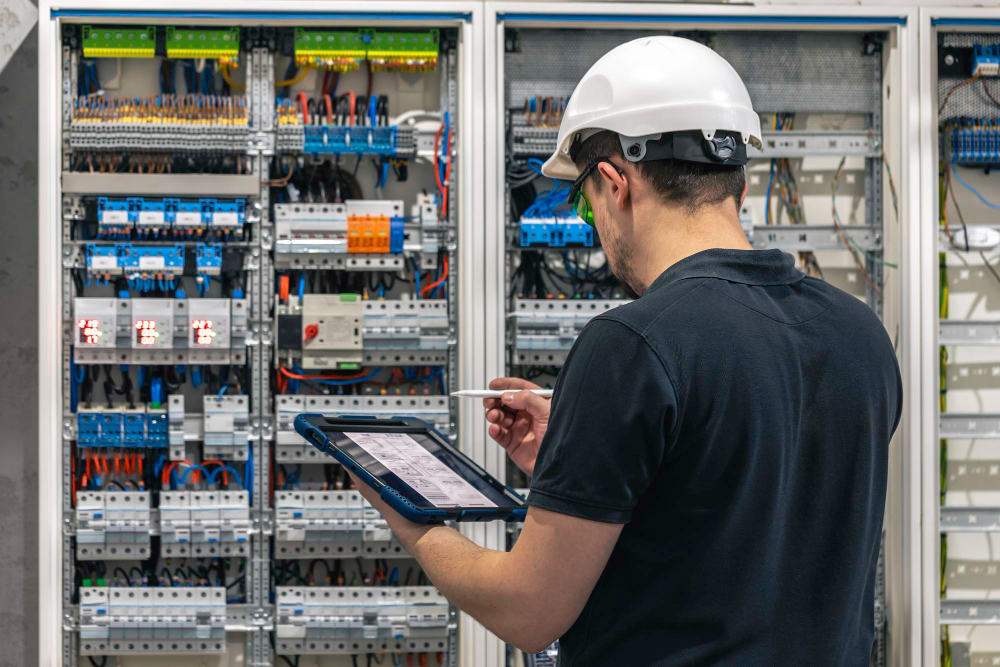
Panel Upgrade, in Melbourne, FL
Panel Upgrade, in Melbourne, FL
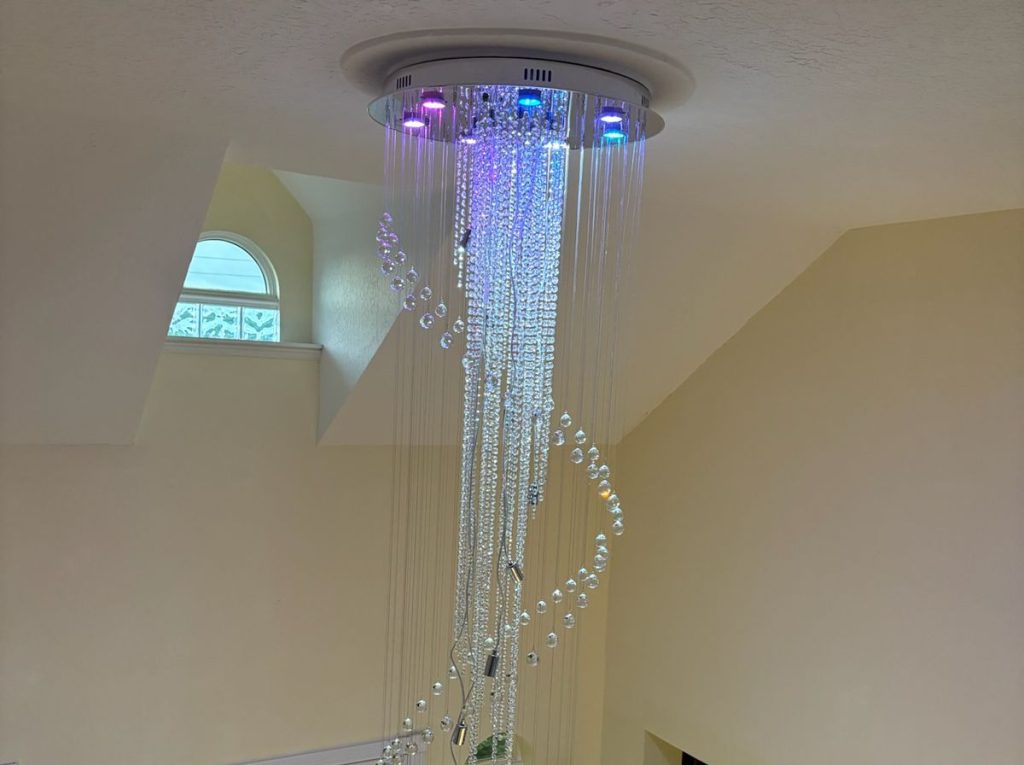
Lighting for install Past, Sity Day, FL
See Our Work: Real Results for Brevard Homeowners
Do you offer same-day and emergency service?
Yes, we proudly offer same-day service and emergency electrical repairs throughout Brevard County. Electrical issues can happen unexpectedly, and some problems simply can’t wait. Whether it’s a power outage, burning smell, tripping breakers, or a sudden electrical failure, our licensed electricians respond quickly to restore safety and power to your home.
How do I know if my electrical panel needs replacing?
You may need a panel replacement if you notice frequent breaker trips, flickering lights, burning smells, buzzing sounds, or if your home still has an outdated fuse box. Homes with older electrical panels may not safely handle modern appliances and increased power demands. Our team can inspect your panel and provide honest recommendations if an upgrade or replacement is necessary.
Do you install new outlets and switches?
Absolutely. We install and replace standard outlets, GFCI outlets, USB outlets, dimmer switches, smart switches, and more. Whether you’re remodeling, upgrading for safety, or simply adding convenience, we ensure all installations are code-compliant and professionally completed.
Are your electricians licensed and insured?
Yes. All of our electricians are fully licensed, certified, and insured. We follow local codes and safety standards to ensure every job is completed safely and professionally. Your home and your peace of mind are our top priorities.
Panel Upgrade, in Melbourne, FL
Panel Upgrade, in Melbourne, FL
Lighting for install Past, Sity Day, FL
Proven Results for Brevard Businesses
Keep your business powered and running safely with our licensed experts.
Proudly Serving Brevard County
Licensed electricians . Same-day service . Honest, upfront pricing
Licensed & Insured
4.8/5 Google Rating
(258+ reviews)
Locally Owned
Same-Day Service Avaialable
Proudly Serving Brevard Country
Fast, rehble, and honest electrical service you can trust.


- License # EC13009833